Mastering Supply Chain Financial Analytics

Conduct deep audits of current working capital cycles to uncover hidden cash flow bottlenecks.
Evaluate inventory turnover efficiency across multiple warehouse locations and product categories.
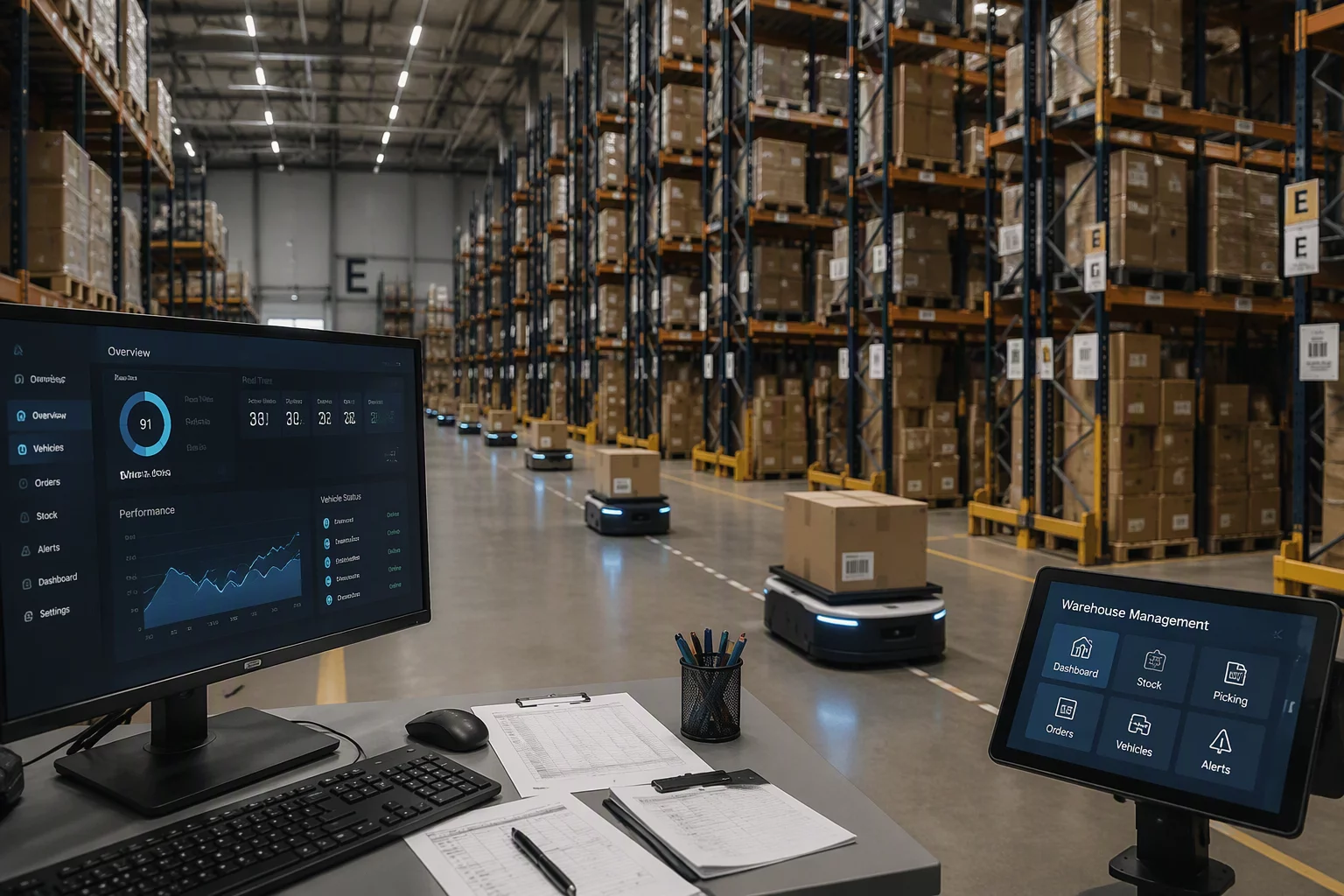
Design custom reporting dashboards for logistics directors and finance teams to track metrics live.
Provide strategic advisory on supplier payment terms to balance operational stability with liquidity.
Conduct deep audits of current working capital cycles to uncover hidden cash flow bottlenecks.
Evaluate inventory turnover efficiency across multiple warehouse locations and product categories.
Connect your warehouse databases and financial ledgers directly into our analytics platform for secure data ingestion.
Analyze your current working capital cycles and inventory velocity through automated calculation models.
Implement targeted adjustments to logistics workflows and supplier payment terms based on real empirical insights.

Modern logistics operations often treat inventory management and financial accounting as completely separate universes. Warehouses track boxes moving across shelves while finance departments monitor ledgers and bank accounts from a distance, leaving a dangerous gap in the middle. When supply chains expand rapidly, this disconnect turns into silent cash drains that standard balance sheets fail to reveal.
Bridging this divide requires a serious look at how capital flows through physical goods. Every pallet sitting idle in a distribution centre represents money that cannot be deployed elsewhere, making logistics efficiency a core financial concern rather than a mere operational metric.
Working capital sits at the very heart of business survival. In traditional manufacturing and retail setups, cash leaves the bank long before finished goods ever reach the final customer. Raw materials are purchased, stored, processed, shipped, and eventually sold on credit, stretching the cash conversion cycle across many weeks or months.
Most companies miscalculate their true exposure because they rely on static quarterly reports rather than live operational data. A sudden surge in sales can easily mask deep inefficiencies in inventory turnover, creating a false sense of security while working capital slowly bleeds out through delayed payments and excess stock.
Controlling this cycle demands rigorous tracking of every single stage in the supply chain pipeline. When businesses examine their procurement habits alongside warehouse dwell times, the underlying causes of cash shortages become painfully clear.
Inventory turnover is frequently misunderstood by managers who look only at aggregate averages instead of granular product categories. A high overall turnover rate can easily hide months of stagnation for specific high-value items sitting neglected in the corner of a regional depot.
Holding too much stock ties up valuable liquidity, but running too lean risks catastrophic stockouts when shipping lanes experience unexpected disruptions. Striking the right balance is an ongoing analytical challenge that requires constant calibration based on seasonal demand shifts and supplier reliability.
Transport expenses rarely stop at the initial carrier contract. Demurrage charges, storage fees at congested ports, and expedited shipping premiums add up quickly when supply chains hit unexpected roadblocks, eating away at already thin operating margins.
Many organisations fail to account for the administrative overhead involved in managing complex supplier relationships and resolving invoice discrepancies. Every hour spent chasing paperwork or reconciling mismatched delivery notes is time taken away from strategic financial planning.
By integrating logistics data directly with financial analytics tools, companies can isolate these hidden costs and assign them to the specific products and departments responsible for generating them.
Cash flow velocity depends heavily on the agreements struck with suppliers and distributors. Insisting on rigid payment schedules without considering the broader supply chain ecosystem often forces partners into financial distress, which eventually rebounds onto your own production lines.
Flexible payment structures linked to actual inventory turnover rates create a healthier relationship across the entire vendor network. When suppliers get paid as goods move rather than on an arbitrary calendar date, both parties gain a vested interest in improving overall logistical efficiency.
Designing these agreements requires deep analytical foresight and an honest assessment of current market conditions, moving far beyond standard industry templates.
Sustainable profitability in modern logistics does not come from cutting corners or squeezing every last penny out of warehouse staff. It emerges from a clear, unvarnished understanding of how physical movement translates into financial reality, turning raw operational data into a dependable foundation for future growth.
27576
15 percent working capital recovered
90
24 hours data processing speed
20
50 plus enterprise logistics audits
9537
99 percent inventory accuracy rate

Charlotte Hayes
Supply Chain Analyst

Oliver Thorne
Logistics Coordinator

Beatrice Miller
Financial Controller

Marcus Vance
Data Engineer





We finally stopped guessing why cash was always tight despite strong sales. The breakdown of our inventory turnover showed us exactly which SKUs were draining our resources.

The depth of financial analytics provided by TheJuice changed how our logistics team negotiates with suppliers. Everything is backed by hard data now.

Setting up the dashboards took less time than expected. Our finance department now has a clear view of the working capital cycle without endless spreadsheets.